in-studio
New York, NY - Athens, Greece
and in Residence at Córtex Frontal, Arraiolos, Portugal
2024 — 25
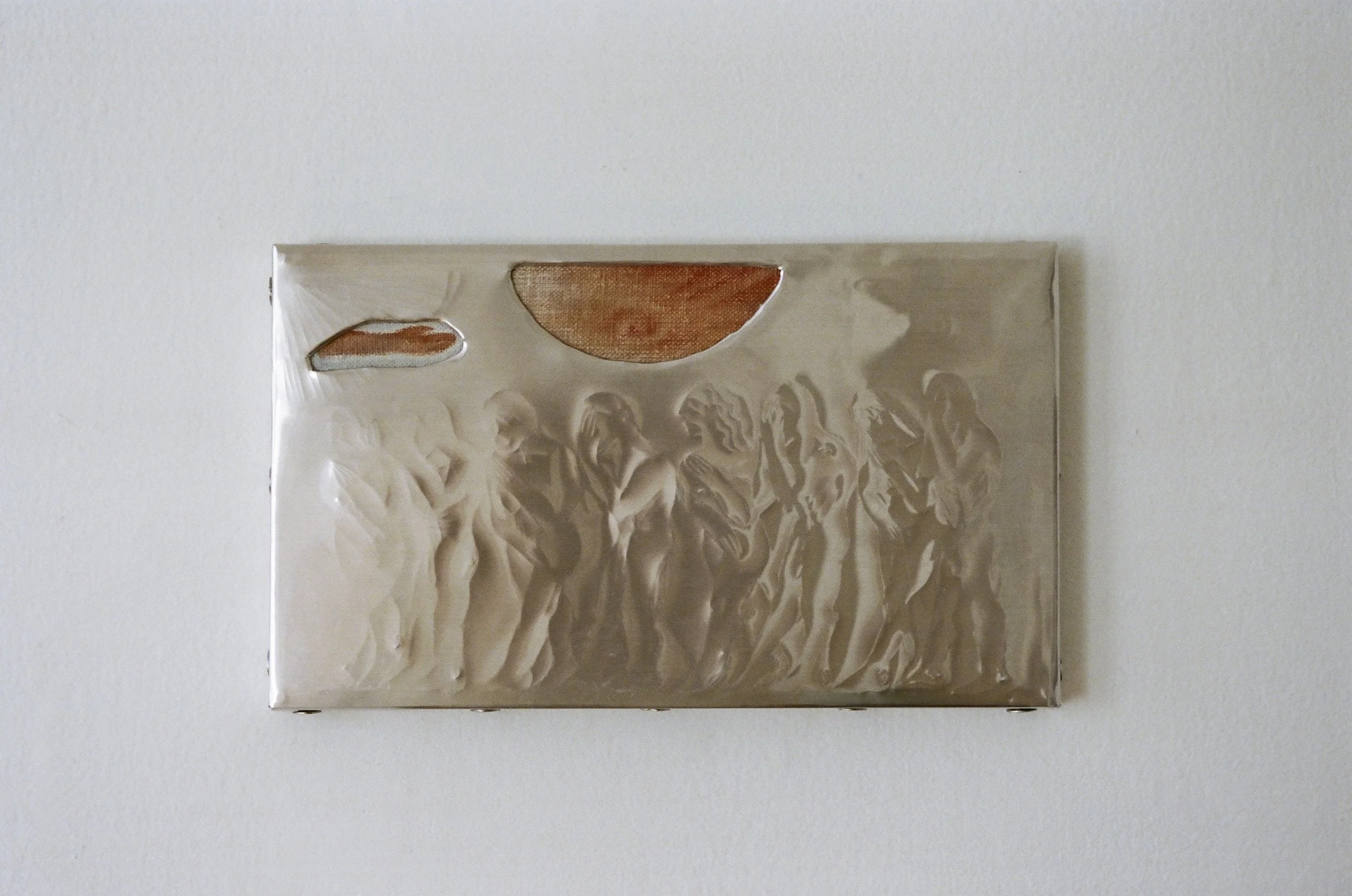
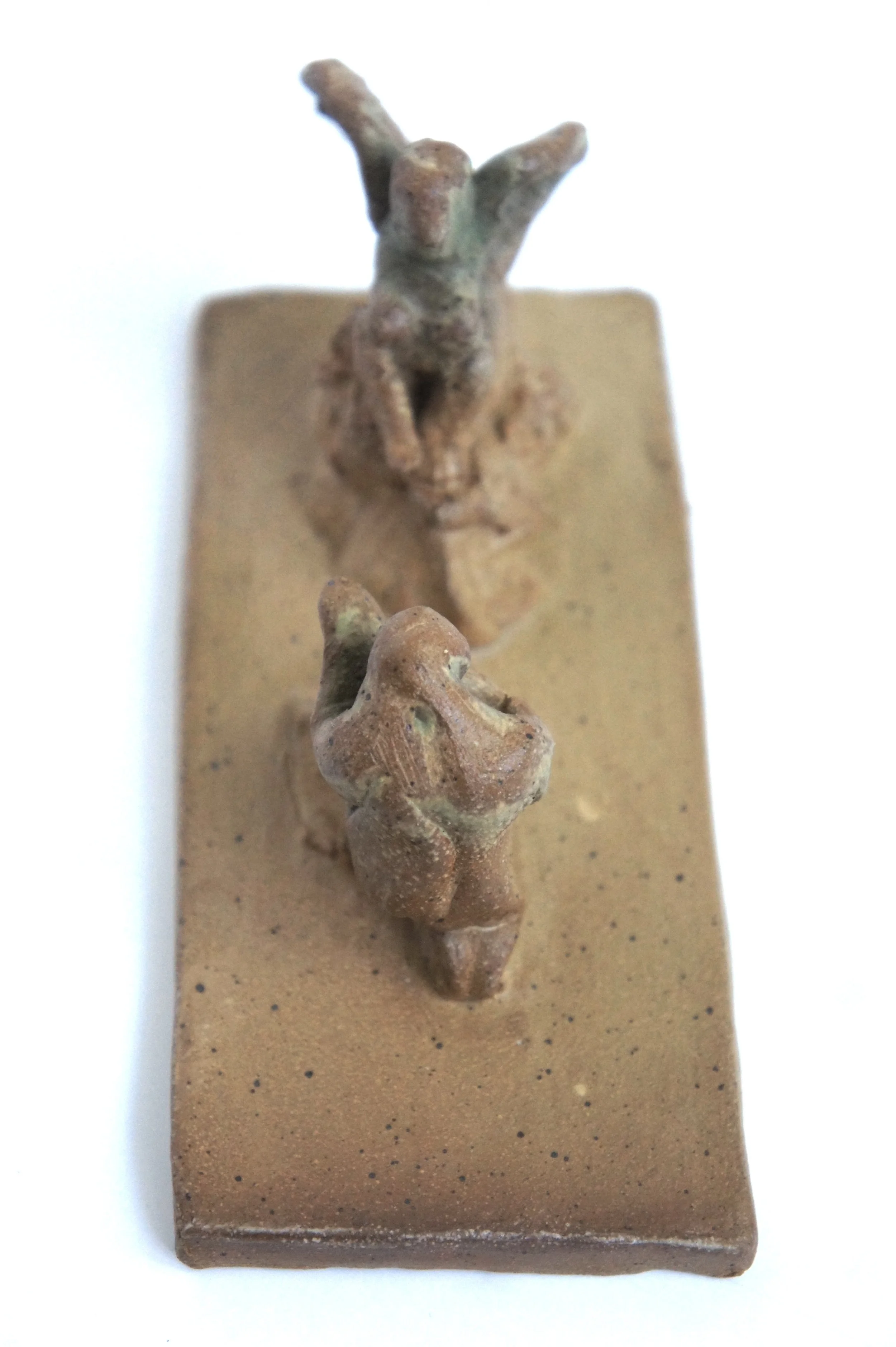
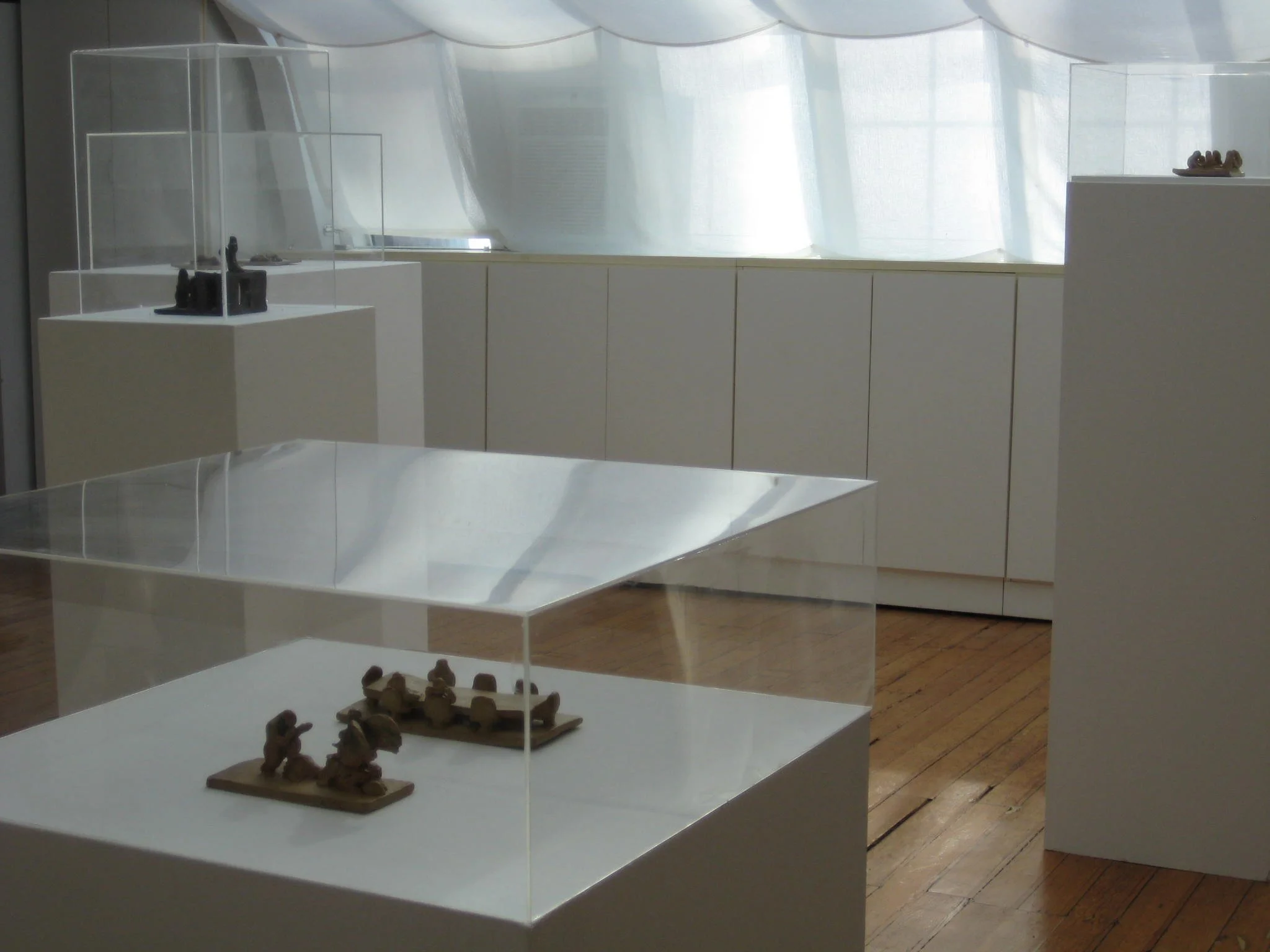
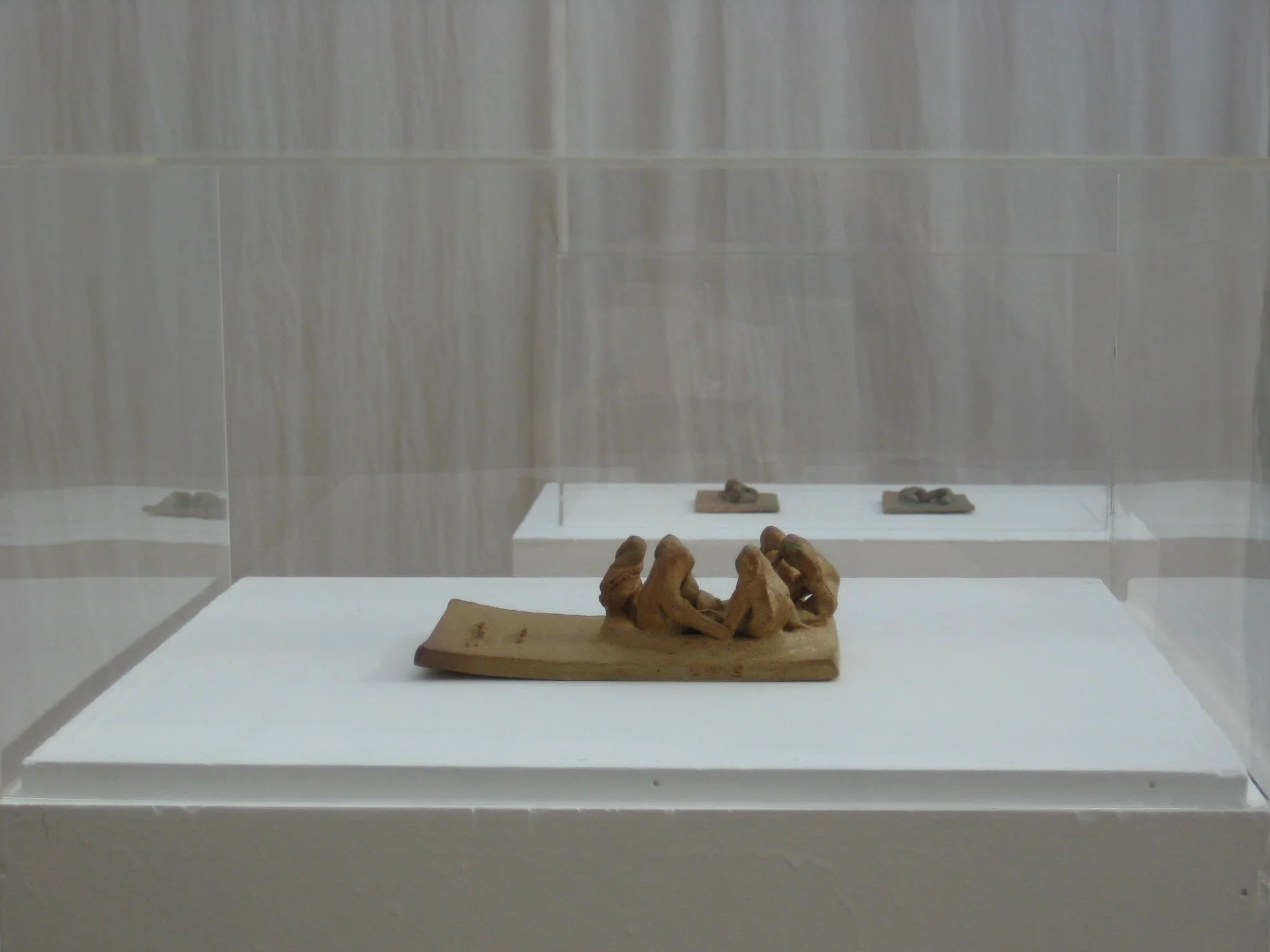
“ The Dance of Life ” Fired ceramic (raw)
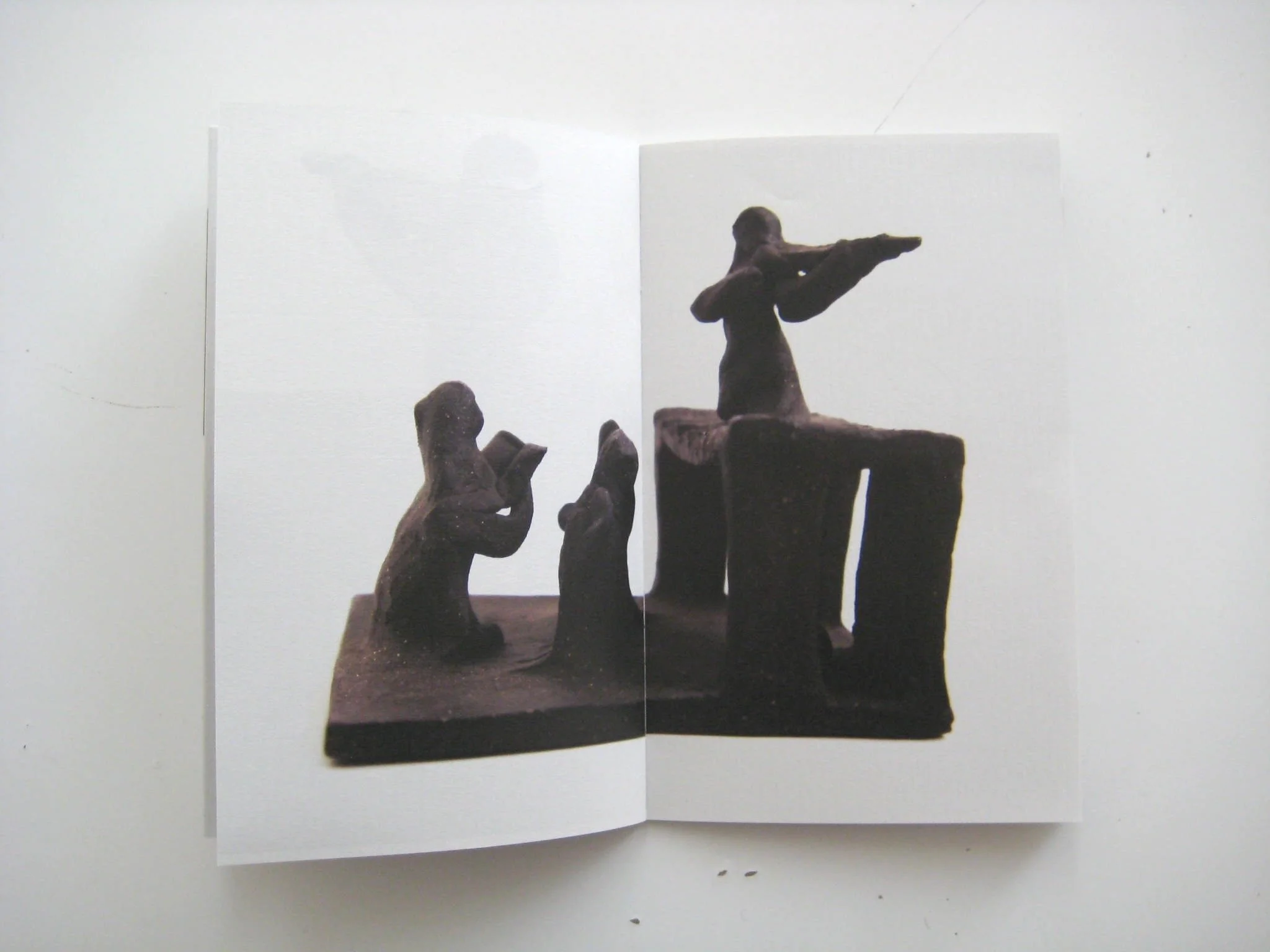
“A Riddle, A Man” fired ceramic, water glaze
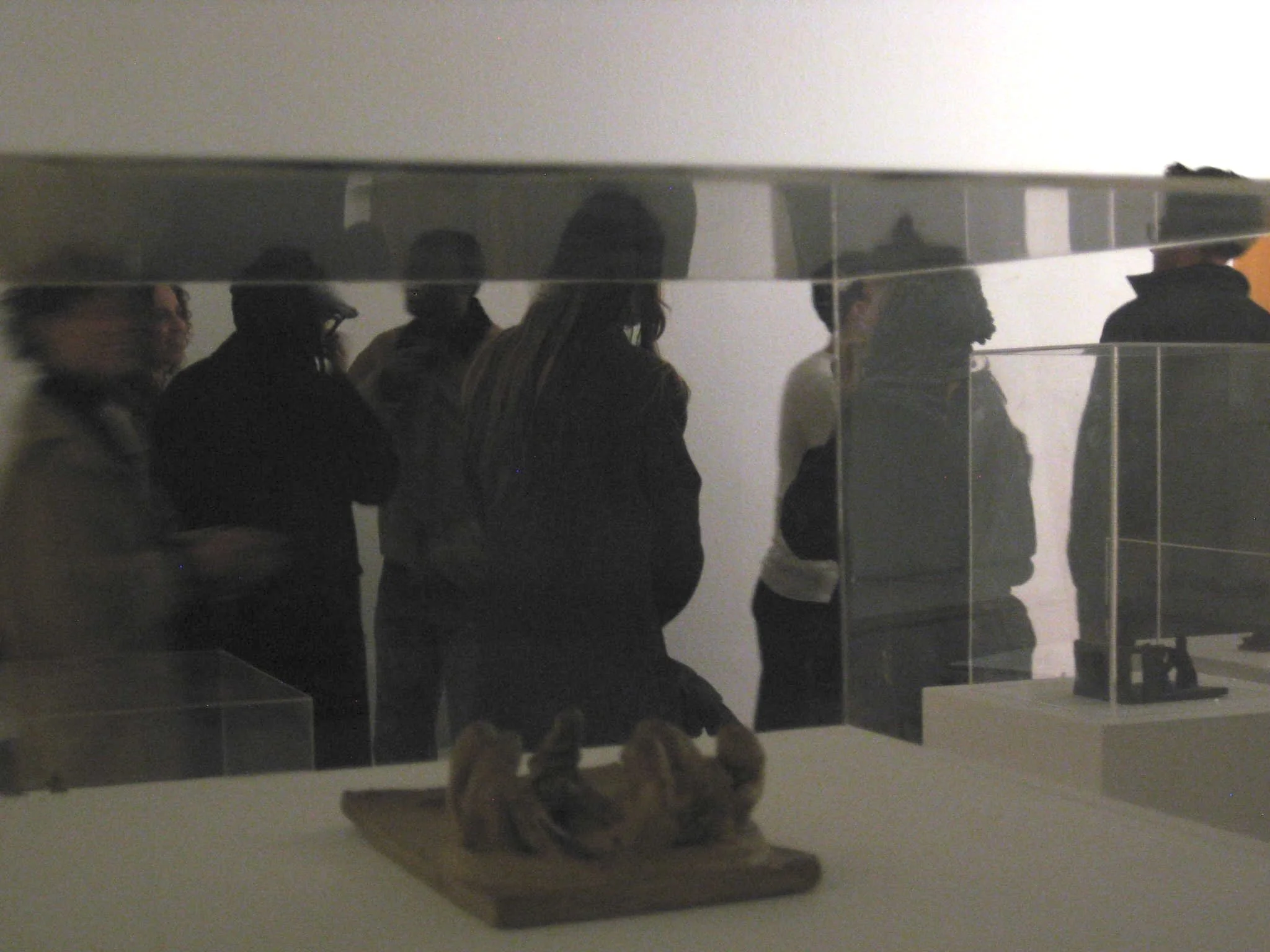
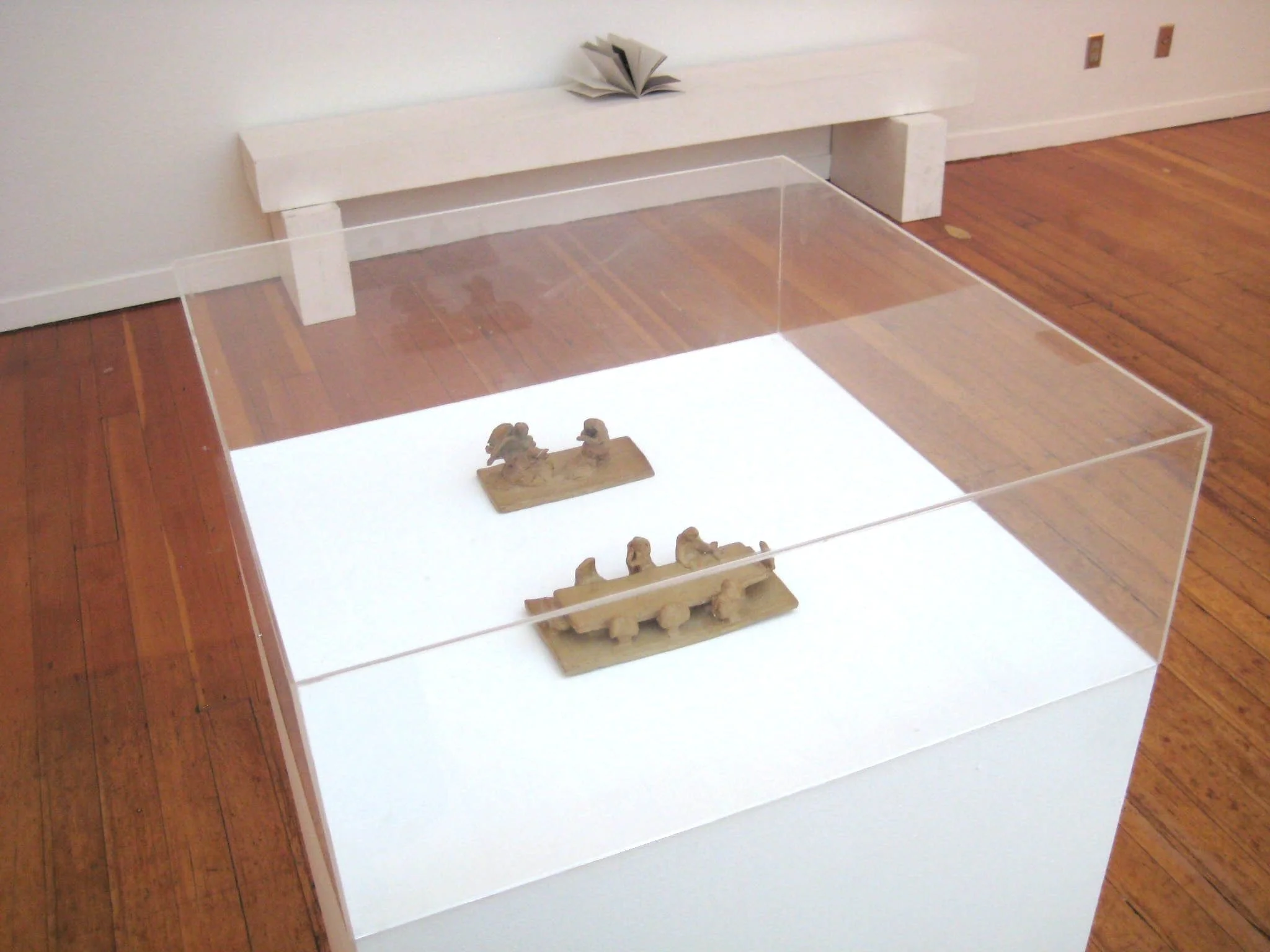
The Dance of Life enacts a series of dramas. We recognize most of them—in name if not in plot, in meaning if not in knowledge reaped from life. We can imagine. The Last Supper, Jacob Wrestles the Angel, Eurydice, Migrants, Taxes. Defining scenes and stories that “suggest figures in a plot at work from day to day,” as Robert Duncan says of H.D.’s poetry, which also reached to myth and memory as to the apple tree flowering in a garden bombed in the Blitz.
Artist Andrea Smith sculpted these dramas from memory, in the clay of her natal Minnesota. Emotionally excavated scenes, archeological in form, universal fables and motifs patterning beneath our stories and experience. “All times are contemporaneous,” wrote Ezra Pound in The Spirit of Romance. Gertrude Stein called this sense of time “the continuous present,” and, as Duncan elaborates, she saw “the great drama of man’s engagement in a composition of the contemporary.” Art is created in the present, a timeless moment where all times run together.
Smith calls the works in The Dance of Life liminal. Liminal in the sense that the ceramic dramas and tape paintings move out of her home medium of painting and then back to inform it. They are also liminal in the time of which they speak: relics of the past or of the future “troubling the waters towards some needed quality of distribution and equilibration.”
The title piece is a rendering of Edvard Munch’s painting The Dance of Life (1899). Two figures in the center, their arms entwined, dance or wrestle—an ambiguity between eris (strife) and eros (love) posed in each of the accompanying dramas. The figures to either side, and the woman whose arms braided with the man’s she dances with, are said to symbolize the phases of life. Munch articulated these phases through the female form and three colors. In Smith’s hand, there is no variation of color; the bodies are androgynous, only the formed gestures of bodies entirely feeling. The dance of life is a circle dance, round the phases of life, love, death we all pass through.
Munch’s age was a parallel of anxiety amid industrialization, flights to cities, capitalism, and the onset of the First World War. So we too exist in an age of transformation: ecological catastrophe, wars and genocides, big tech, extreme disparity, and mass migrations. “Like the turn-of-the-century artists, those today must also re-imagine the future through progressive movements,” notes Smith. “What does it mean to be living, making, excavating at this time?”
The figures emerge like tree trunks growing from the ground, molded and swept into expressions of deep pathos. Bodies denuded, heavy flesh, flesh same as each other same as the ground they dance on, embrace, wrestle on. The nearly empty tax table is like a tabernacle, a parallel to that, though teeming, of the Last Supper. Eurydice! As she lunges out of the underworld toward Orpheus, Smith’s fingerprints trace the breaking ground that separates her from the upper world, her love, and the crocus (saffron) flowers—harvested in Northern Greece in the same way today as when these myths, for how they move among our minds, were first being told.
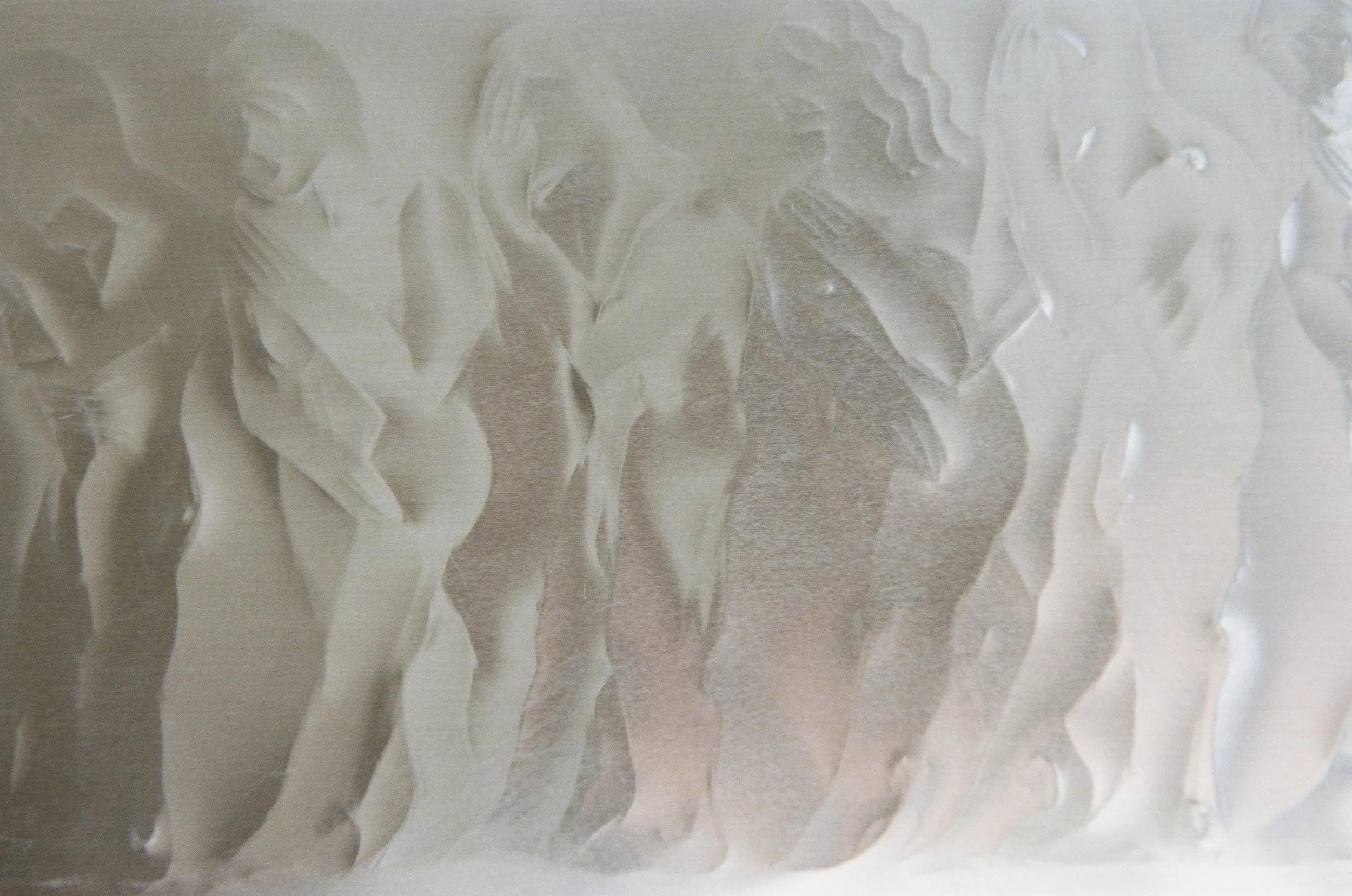
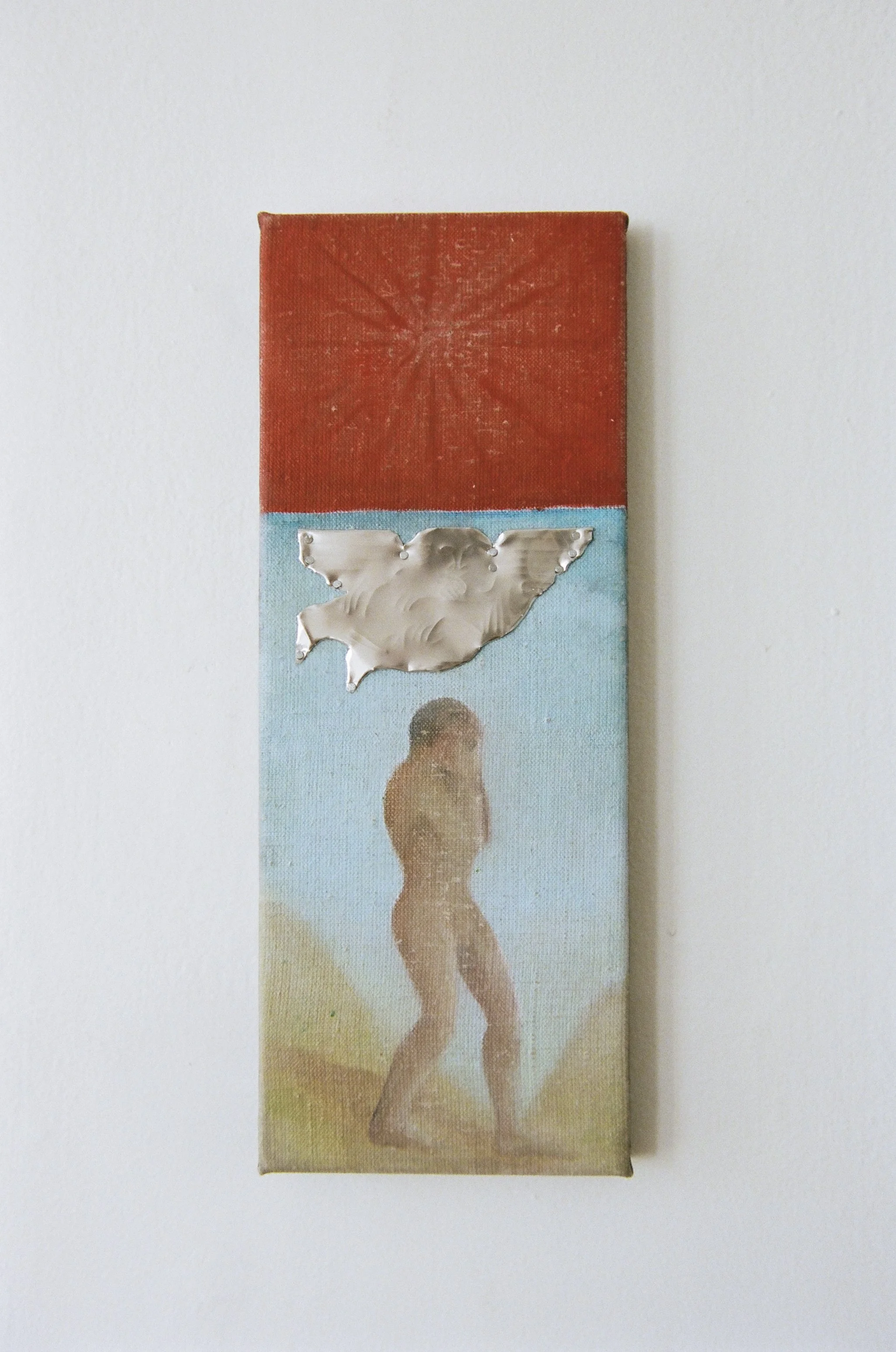
In a move of contrasts, the tape paintings appear, struck by light caught from the raw fissure in the rock, rock of earth struck by moonlight, by sunlight, by light in the hospital across the street. The hieroglyphic images Smith made with electrician’s foil on paper. Aluminum coating shields signals traveling in the wire from electromagnetic interference and heat. In this practical and galactic material, Smith draws the vectors of ancient reliefs and pottery, patterns from the everyday agoric world.
Over the last year, Smith has been recording people’s premonitions, anxieties, and hopes for the year 2050. In their voices, across ages and languages a singular voice seems to emerge: grief and hope and prophecies, like graffiti, fragments on the walls of another trembling world order. The recording is a polyphonous, borderless letter to the future.
“All of the same world. The future and the past, and here where I am now.”
— Elizabeth Snowden, San Francisco